How ARDI Helps
Discover how ARDI can help with a range of issues you might be having.In The Field
Scattered InformationARDI helps you consolidate each of your different sources of data in one place.
This doesn’t just include your sensors – it can also include values from maintenance systems, staff scheduling and attendance systems, cloud services and simple Excel files.
It’s also not just measurements – ARDI can deliver media, such as work instructions, videos, manuals and certificates
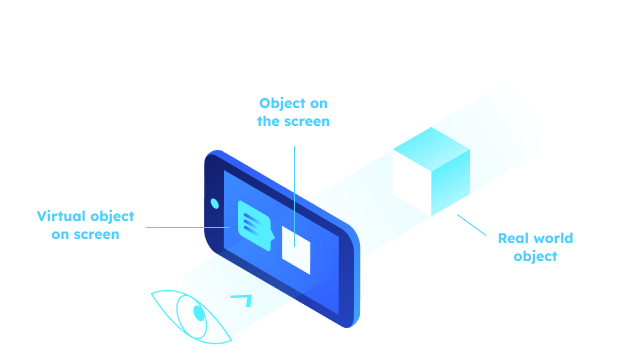
Work sites often have a lot of repetition – the same type of sensor, valve or component will appear again-and-again across the site, making it difficult for people unfamiliar with your system to be sure exactly which asset they’re looking at
Field-access tools like Augmented Reality allow you to confirm the identity of the equpment you’re looking at using a smart device (such as mobile phone or tablet).
ARDI provides a range of options to access information in the field through smart devices such as mobile phones and tablets.
Using Augmented Reality or your existing markers (such as QR codes, barcodes or NFC tags), ARDI can deliver asset-specific information directly into your hands.
This doesn’t just include manuals, specifications and access to web-enabled software packages (like work-order systems), but live data and trends.
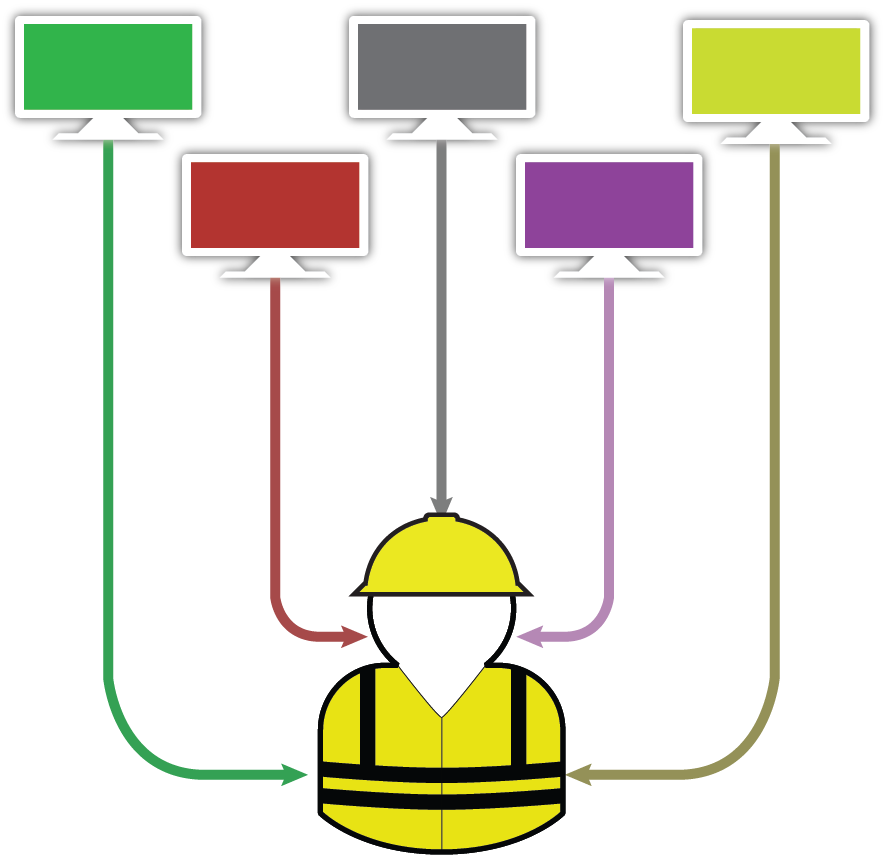
Many sources of information mean means that you have to access several different systems in order to get a full understanding of an assets status.
Not only is this very inefficient, but people also need to be trained in using each individual system and kept up-to-date and reminded of its use.
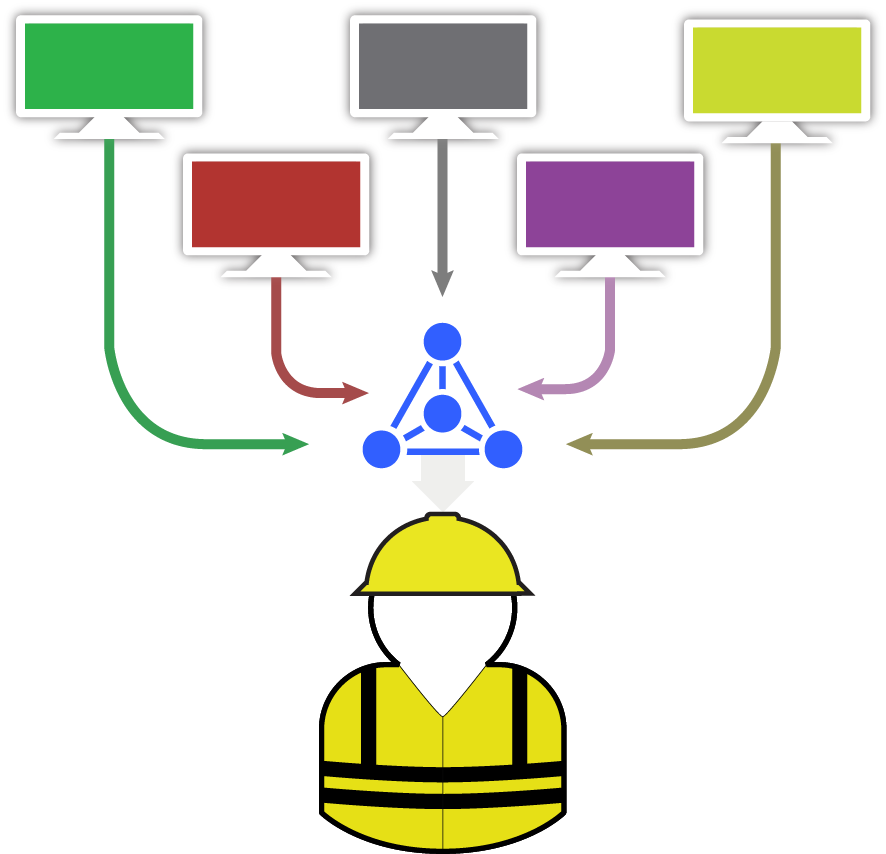
By centralising your information in one place, you instantly save a significant amount of time – rather than looking for information across several different systems, you only have to check one.
You also only need to be trained on that one system – reducing on-boarding times. And since ARDI helps hide the differences between sites, staff don’t need to deal with differences in tools when moving from site-to-site.
ARDI doesn’t replace the systems you’re using – it just makes it easier to get information from them. You’ll still use the same day-to-day tools the same way you’re doing now.
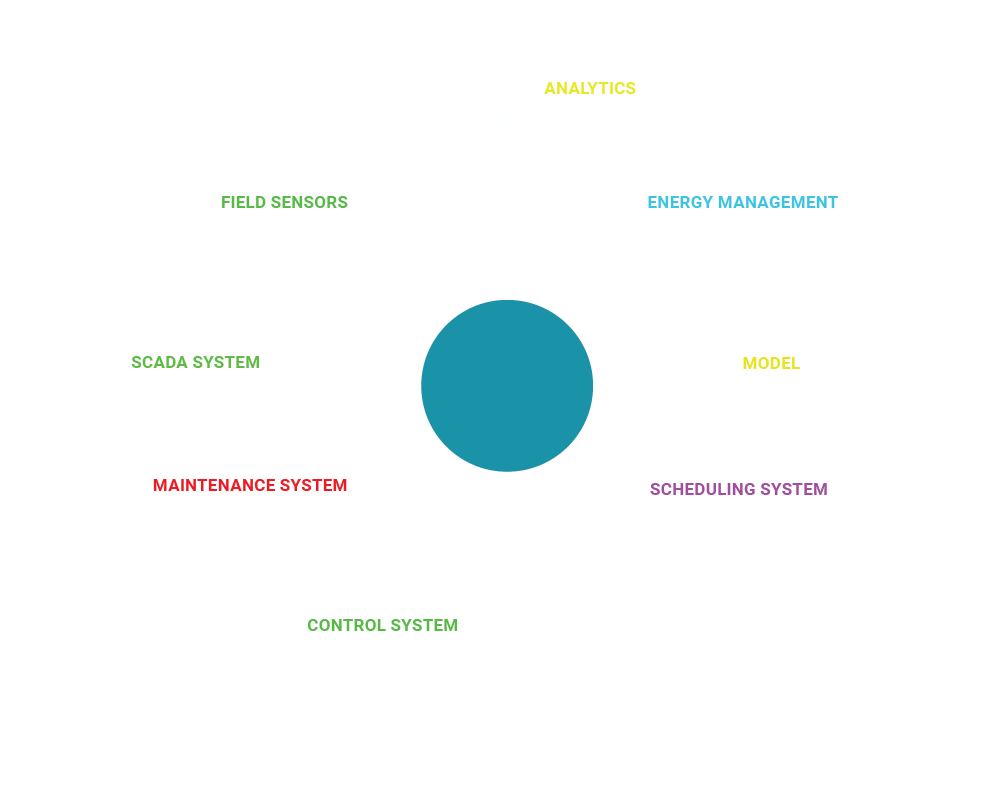
While a single point of data can be useful, you usually can only understand it’s behaviour when you combine it with other, related information.
ARDI helps you organise your data into assets. These can be physical assets (pieces of equipment, tanks, conveyors etc.), or can also be logical assets, such as systems, areas, departments.
Even your human resources can be assets in ARDI
A single asset can contain information taken from a wide variety of sources, so you can have at-a-glance understanding of the state of a particular thing.
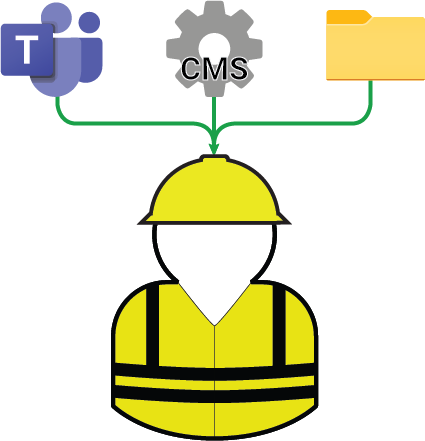
Your work instructions, procedures, calibration certificates and other documentation are often living documents – they change over time.
ARDI brings all of your different documentation storage systems – cloud, enterprise or even simply a folder on a shared drive – together in one place
It also always delivers the latest version directly from the source – so as soon as they’re updated in your system, they’re updated in ARDI.
ARDI 360 is Street View* for your site.
It gives you a digital version of your site you can walk around to learn to navigate a facility, identify equipment remotely and plan work around permanent hazards
It can even guide you to connected equipment – ask where the drive for a motor is, and it will take you down the hall, up the stairs, into the motor control room and show you which cabinet the drive is in.
"Street View" is a Google trademark. ARDI-360 and Optrix have no official link to Street View or Google.
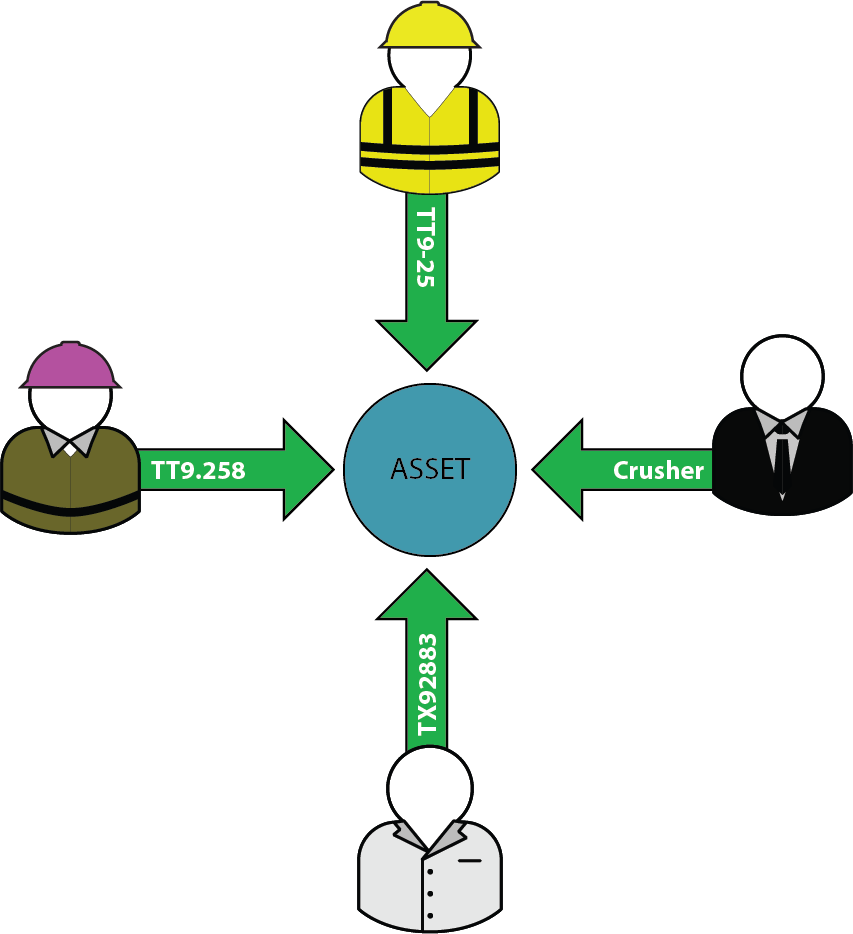
A single piece of equipment might be known under different names by various people and systems.
Your process people call it TT5-16, but your electrical people use a serial number, your maintenance people made a typo 3 years ago and they call it TT5.166, and your ERP system can’t handle underscores and calls it TT516.
ARDI makes finding and communicating about assets simpler by combining all of the different identifiers in one place, and making the result human readable.
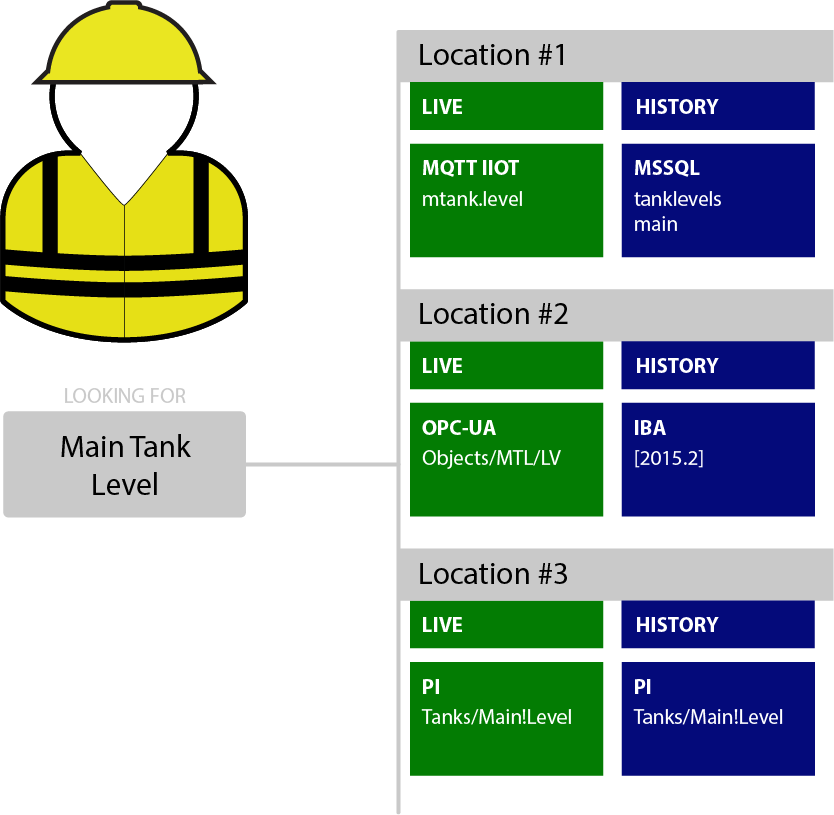
Sometimes, two sites that perform the same task can end up being radically different.
Changes in vendor, backend, design, construction or simply age can make things very different when you’re trying to get the information you need to do your job.
When ARDI makes your data human readable, our assets also can help make accessing data consistent between sites.
When people are in an unfamiliar location, they know exactly where and how to find the information they need to get the job done.
Operations
Lack of Process Awareness
With so much data, it can be difficult to understand what your system is doing right now.
ARDI allows you to create a range of displays powered by live and historical data. You’ve got the flexibility to use a huge range of tools to create interactive, animated and even 3D displays showing up-to-the-moment process state.
It also helps you create dynamic alerts and notifications, to help you deliver important data to people when they need it most.
There are so many data points in modern systems that it’s often impossible to tell which data points are related to a single piece of equipment.
ARDI helps bring some order to the chaos by organising your data points into assets.
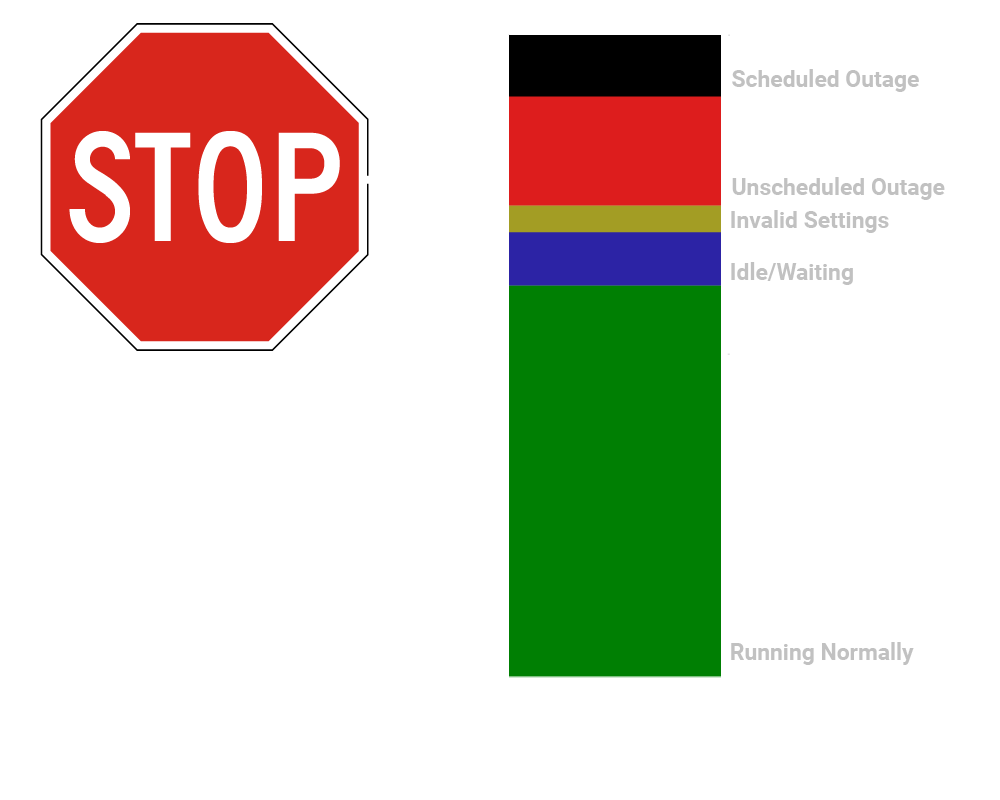
Sometimes, your equipment stops.
Using ARDI, you can produce metrics and reports detailing not only when and where these stops happened, but you can use data from multiple systems to try and figure out why the stoppage happened.
You can combine details from your sensors with data from your production scheduling system and events from your maintenance calendar to ensure you’ve got accurate figures for how efficiently you’ve been running your system.
If and when down-time happens, it’s important to be able to quickly and efficiently find the cause of the issue so that corrective actions can be taken.
ARDI not only provides a range of tools that can help you use live and recent data to discover the cause of a fault, you can also create AI-powered alerts to help perform this analysys for you.
This can radically reduce the amount of time it takes to resolve issues on-site, meaning you’re back up-and-running faster.
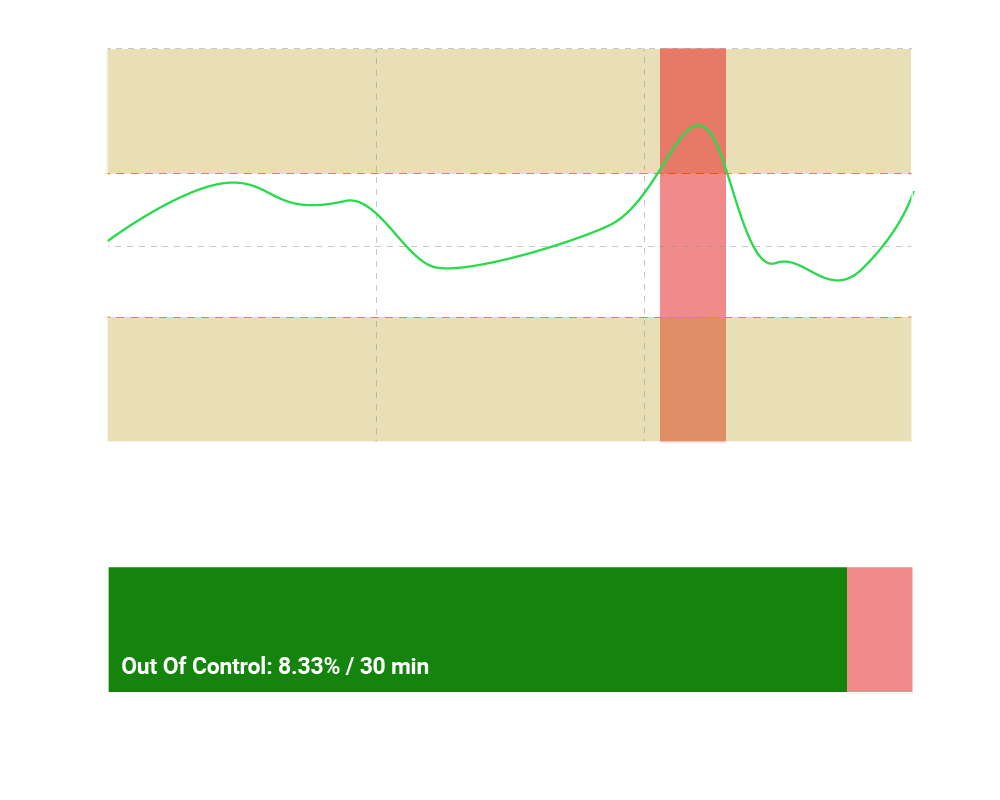
Processes are complex, and sometimes it’s hard to keep all of the elements of a system under control.
ARDI can be used to help highlight control issues. It can be used over time – such as in a daily summary of how well your control loops performed – or live, in displays and alerts that give immediate feedback when control issues arise.
ARDI also includes tools such as Timeline that can be used to play back periods of history to search for events that might have caused down-stream control issues. Timeline can be a huge benefit when the cause of an issue is indirect or difficult to find.
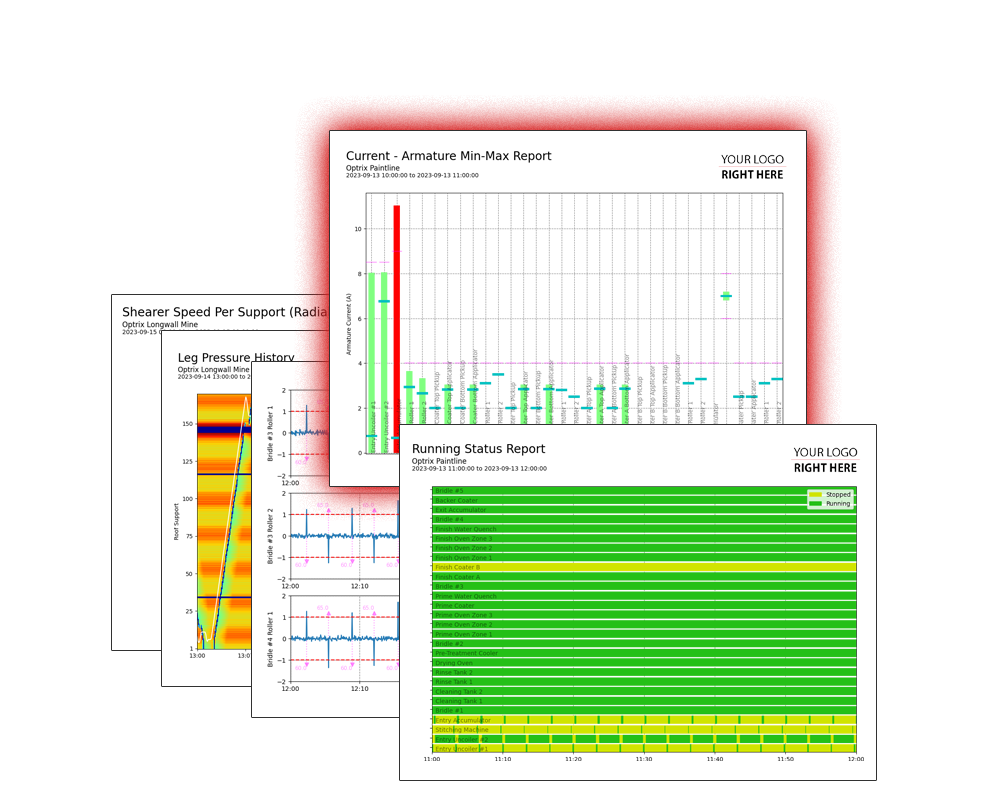
People who have scheduled reports often have to flip through the same information day-after-day. Not only is it boring, it causes report fatigue – you stop really looking at the reports.
ARDIs reporting engine can help you combat report fatigue by training an AI to determine if the reports are unusual.
This way, you have instant access to all of the reports showing unusual or unexpected values – those that are different from the day-to-day reports you’re tired of seeing.
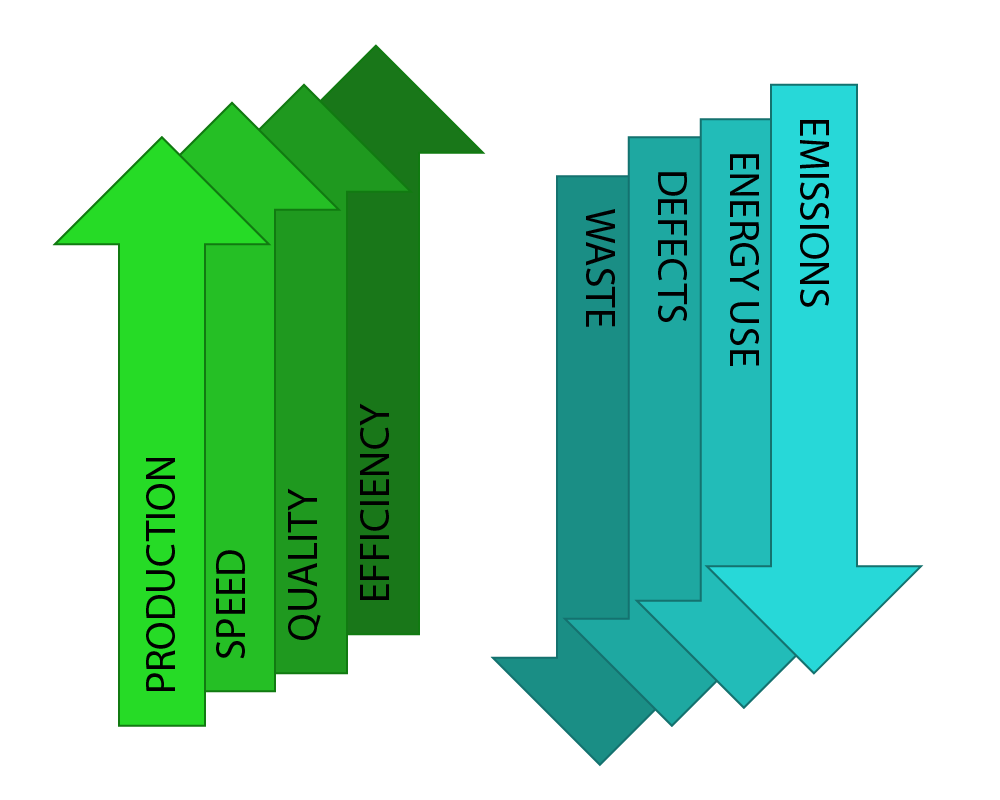
If you find yourself missing production targets, you’ll want to know why.
ARDI doesn’t just help find the cause of production losses by making your data easier to find, understand and visualise, but it allows you to build models.
Models – powered by math or machine-learning – run live along-side your process to calculate where your production bottlenecks are, and can also be used to suggest settings that can achieve faster production, higher quality or lower energy usage and carbon emissions.
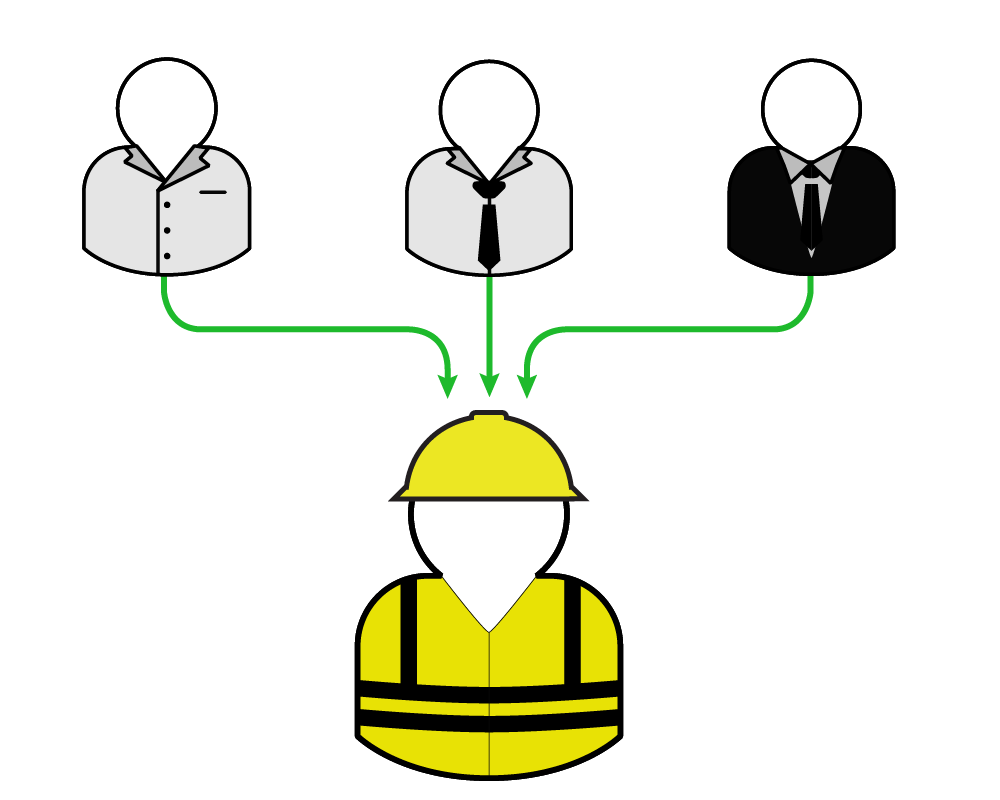
ARDI makes a very useful tool for remotely supporting staff.
Using 360, it gives remote users the ability to understand what the person in the field is seeing, and help guide people to the areas they need to be.
It also allows remote experts to understand the specifics of a site. While subject-matter experts might understand the overall structure of a particular location, there are often unique differences from site-to-site. ARDI can help an expert get general information, and also guide them through the detail of the process.
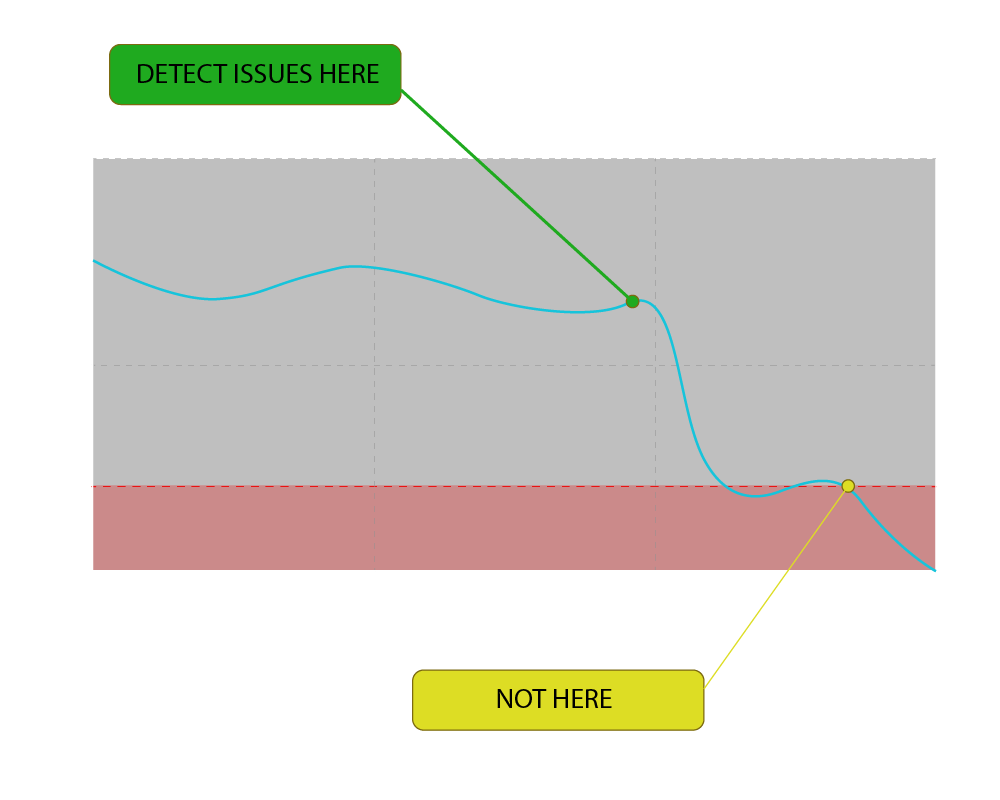
While some issues are sudden, there are others that you can predict – warning your people before they stop production or cause issues.
Using our combined data, our ability to work with information over different time-scales, and our intimate knowledge of the structure of your plant, ARDI can be used as a predictive tool.
Using mathematical or machine-learning models, ARDI can notify your people when issues are likely to happen – such as temperatures rising too high, values being out-of-balance, or quality becoming poor.
Engineering
No Way To See DataPeople often only look at a limited set of HMI screens, dashboards and reports. These have all been pre-made by other people, and only offer limited windows into what is actually happening.
There are issues, opportunities and value hiding in these places where people simply can’t easily see
ARDI and its clients are designed to give the user the ability to choose what they are looking at, how they see it, and when the data is from – so they can turn your unseen, unused data into valuable insight.
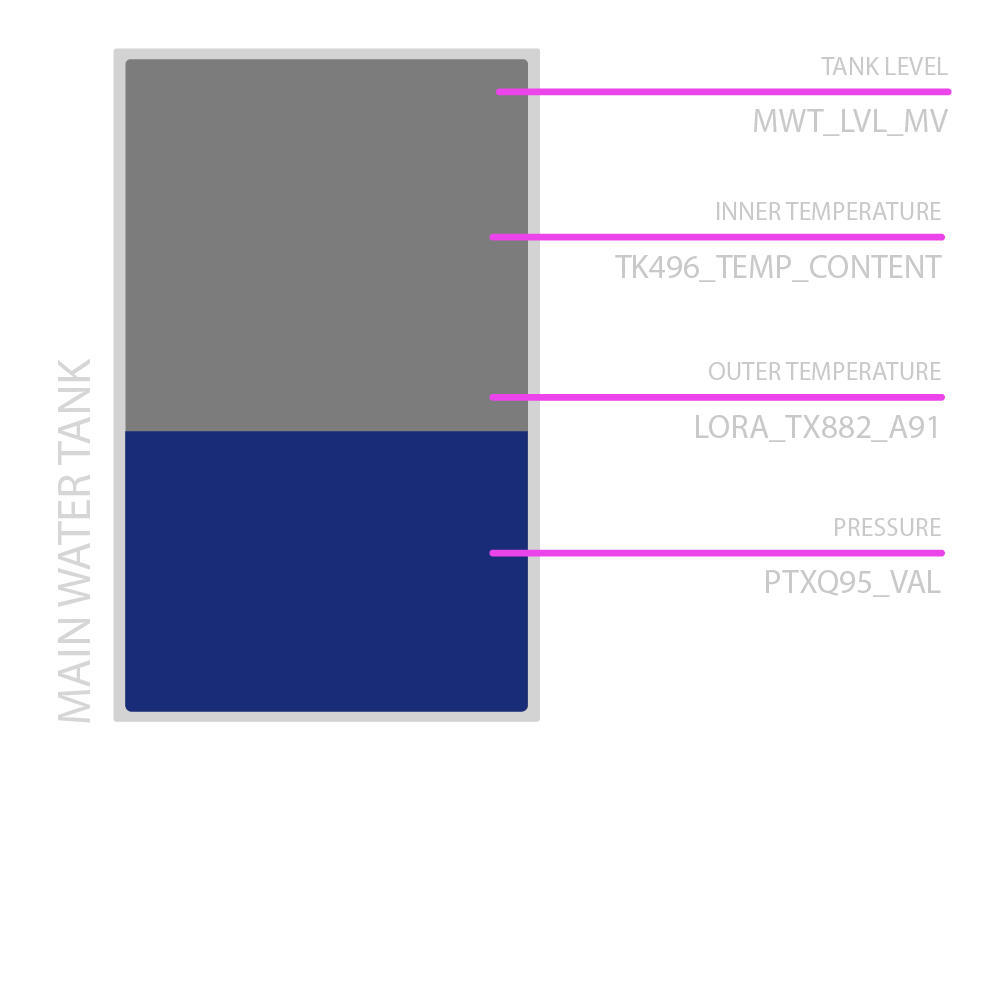
The names of your data points can be beautifully organised. But most – and particularly those that have been around a while – can be utter chaos.
Automatic names, typos, rushed work and changing naming standards usually leave many industrial historians a mess of points. Figuring out what any of them mean can be extremely difficult.
ARDI is designed to help make your system human-readable, not just for your engineers, but for people across the organisation. Instead of looking up ‘QR9645_RT’, they look up ‘Main Tank Reference Temperature’.
Along with organising points of data into assets, this helps users with very different types of expertise access your consolidated data.
Sites and processes can be very complicated – understanding what happens when you isolate a valve or turn off power to a device can require information from many different diagrams.
Not only does researching these connections take time, the diagrams explaining them are usually stored in filing cabinets back in the control room – not in the field where they’re needed.
ARDI relationships allow you to see the connections between assets – to trace power down-stream from a meter to the machine it delivers energy to, or to follow the flow of air back up to the compressor.
They help your people – particularly those less familiar with your system – understand how your equipment fits together to form a process, and what the results of their actions might be.
While there are plenty of options for looking at live data, there aren’t many options for looking at history.
The usual line-graphs you get when viewing the history of your process can be difficult to understand unless you’re very familiar with a process or machine.
ARDI offers the ability to view your equipment in 3D. This lets you go back in time and replay events on a virtual version of your plant, where you can see into your equipment to read the various values inside. Your assets move, rotate and change state in a way that makes it much easier to understand and explain events to others – making it simple to share information to less technical people or prove that policies and procedures were followed.
Assets aren’t just limited to being equipment. These can be physical assets (pieces of equipment, tanks, conveyors etc.), or can also be logical assets, such as systems, areas, departments.
Even your human resources can be assets in ARDI
If it’s something you might want to talk about, view or report on, it can be an asset in ARDI.
Analysts
Inconsistent Data Timing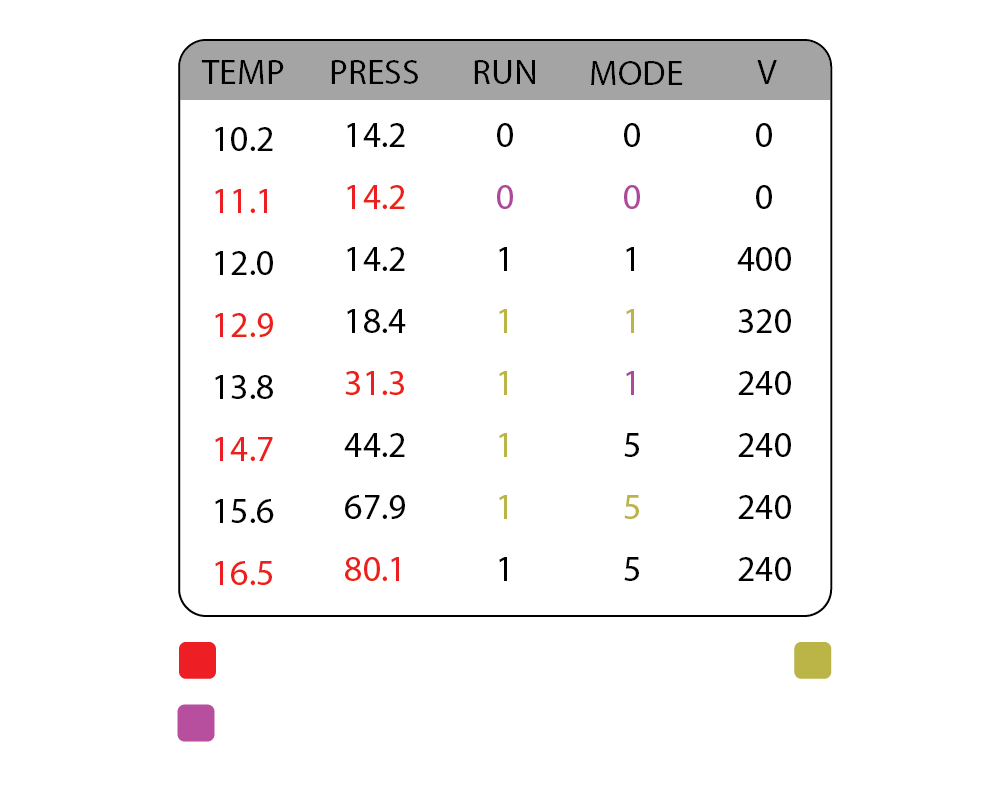
Not every point of data updates at the same rate. Some signals are recorded at sub-second resolution, while others only update a few times a day.
When you combine all of your data together, you end up with a large number of ‘gaps’, where you know a value for one point, but none of the others.
ARDI gives you the ability to request tables of data, which are automatically filled in to ensure that you have a value for every point of data for every point in time (except for when sensors were genuinely off or unavailable).
This means your data is ready-to-go for use in charts, reports or AI applications.
While it’s great to have easy-to-use products (such as Grafana or PowerBI) to build reports and dashboards, you might find yourself starting to hit the limits of what your system is capable of. Unfortunately, the price for ease-of-use is almost always a loss of flexibility. You’re limited by what your software is willing to let you do with your data.
ARDIs Reporting and Infographic addons instead focus flexiblity. Your displays are created in code, powered by our APIs in Python or Javascript. This means that they are more complex to make, but give you complete control over what they do, and what your final results look like. You want to produce animated graphics? Interactive maps? Powerpoint presentations? Videos? Audio announcements? You can do all this and more.
We also offer a range of pre-made examples you can use to rapidly deploy your own reports and visualisations without knowing how to code, and we can automatically generate a number of common reports and dashboard displays for you.
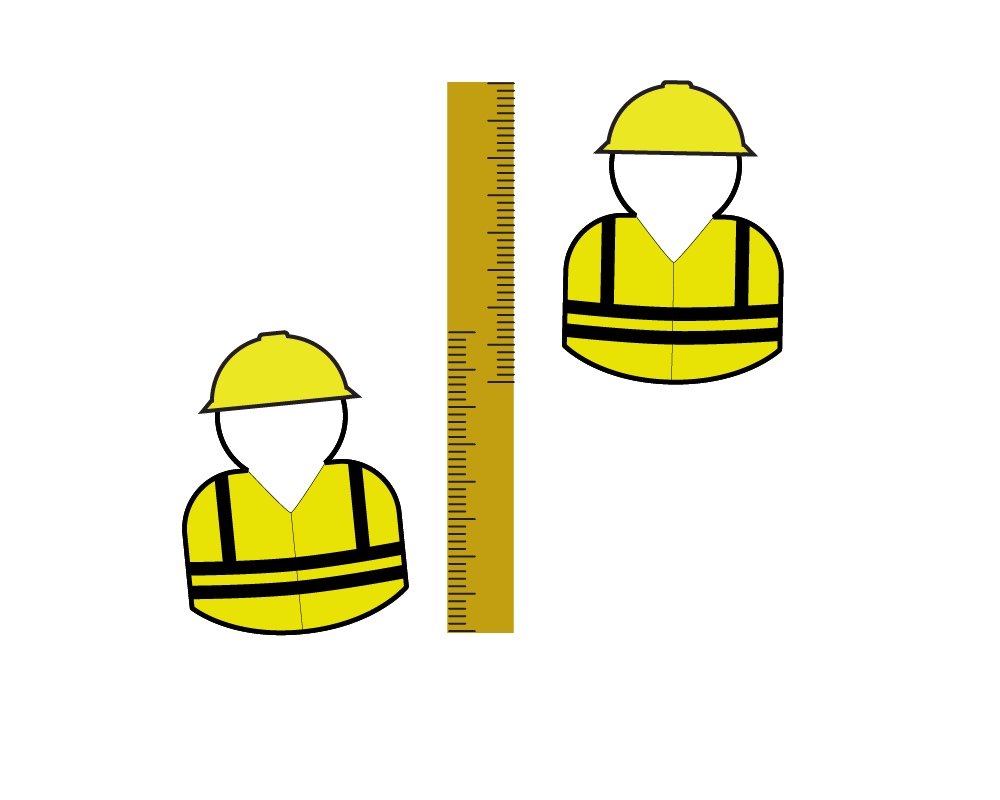
Most sites will calculate performance metrics to capture how your system and your people are performing.
But it can be surprising how many metrics end up being summaries of summaries, contain fudge-factors or are used without understanding what the numbers behind them actually mean.
Because ARDI data is extracted from the point-of-truth (ie. directly from the sensor or planning system), it provides metrics that are as accurate as possible, based on the real data from your system. And because we combine data from multiple sources, we can help produce figures that reflect on people (such as per-shift or per-crew OEE summaries) are fair, by ensuring your people don’t see their metrics drop for events and decisions outside their control.
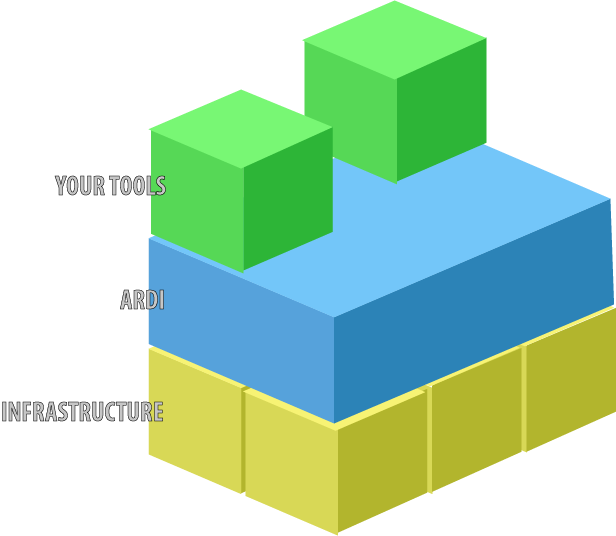
If you’re making complex analytics or custom, data-driven solutions, your final product can be brittle – although it works well, a change in the back-end (like renaming a point, switching to a new product etc.) can break all of your hard work.
Using ARDI as the source of your data, changes to site simply don’t matter. Any reports, dashboards, analytics, AI and more simply keep working – the only place you need to perform updates is in ARDI itself.
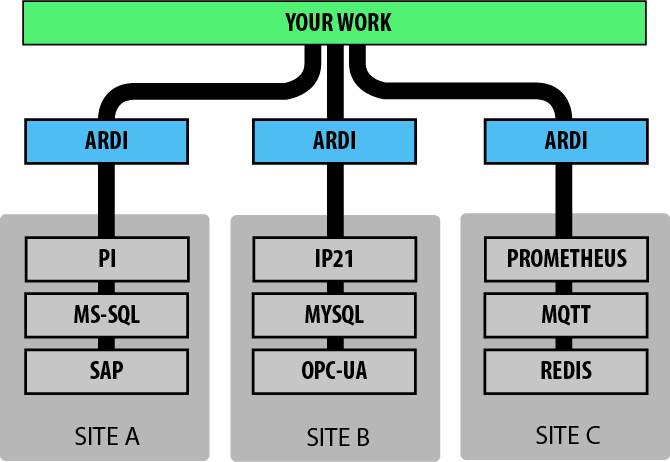
Deploying a single solution across multiple sites can be very difficult – particularly when those sites have differences in either the data-backend they use, or the way the system is put together.
In many cases, ARDI can help you deploy a single solution across similar-but-different sites by using the ARDI system as an abstraction layer. As long as the same human-readable points of data are available (for instance, ‘Furnace Temperature’), the solutions you build on top of ARDI don’t care that those furnaces are from different vendors and recorded in different systems.
You can even make your solutions adaptive – dealing with different numbers of sensors and pumps between locations, without needing to be customised for every site.
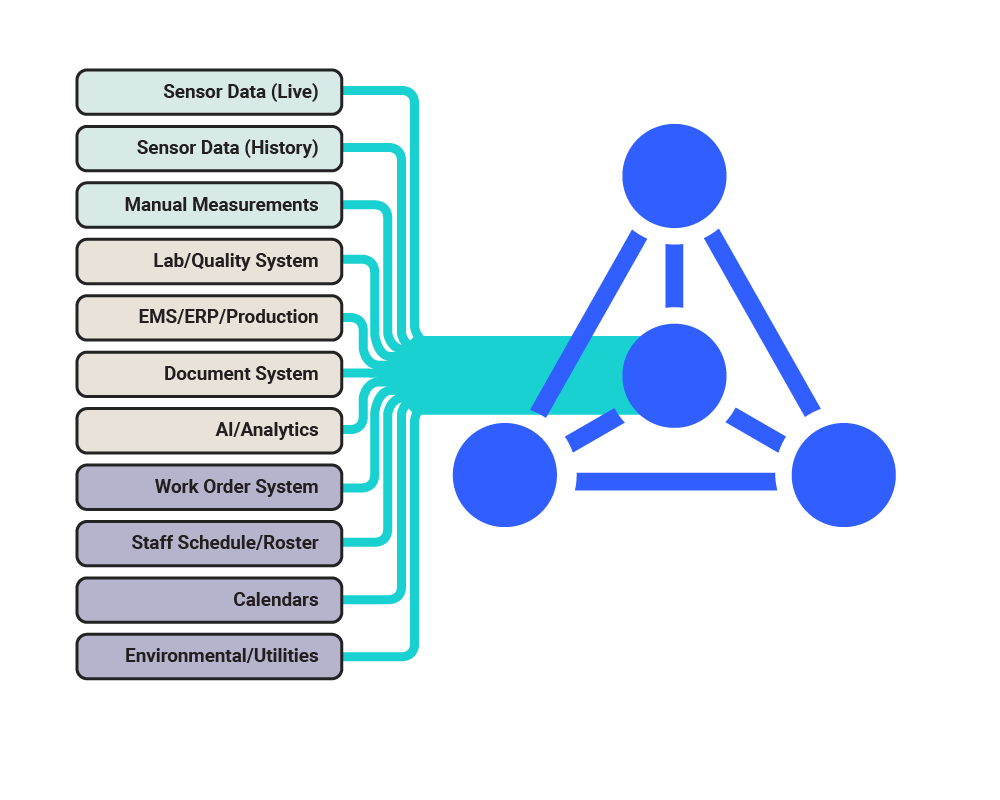
Not every data source is a modern, off-the-shelf product. In process networks it’s common to find products that have been heavily customised, are unique to a site, are cutting-edge, incredibly old, or very informal.
We know that it’s impossible for us to have a driver for every possible source of data, which is why we not only provide a range of different pre-built drivers, but we also give you the tools to create your own ARDI data drivers.
This allows you to adapt ARDI to the unique needs of your people and your process – so that ARDI changes to suit your needs, rather than you having to change your business to suit your software.